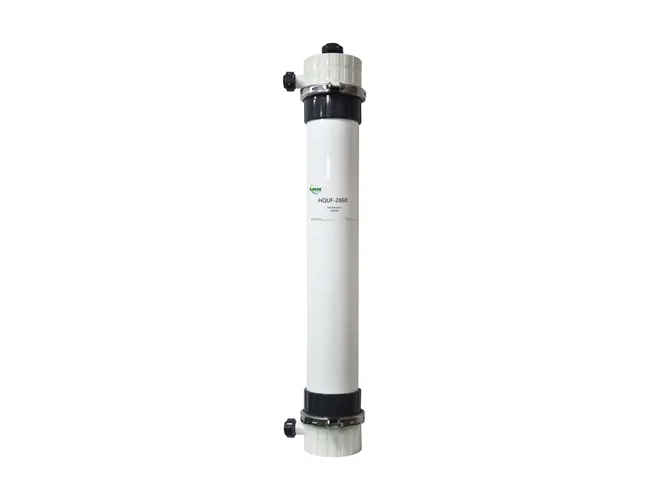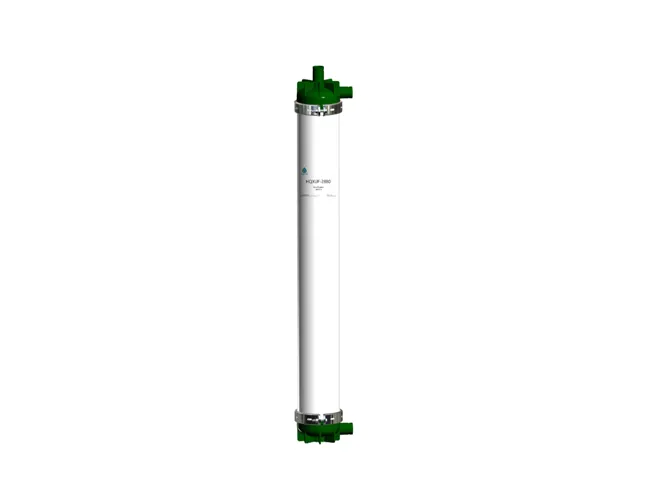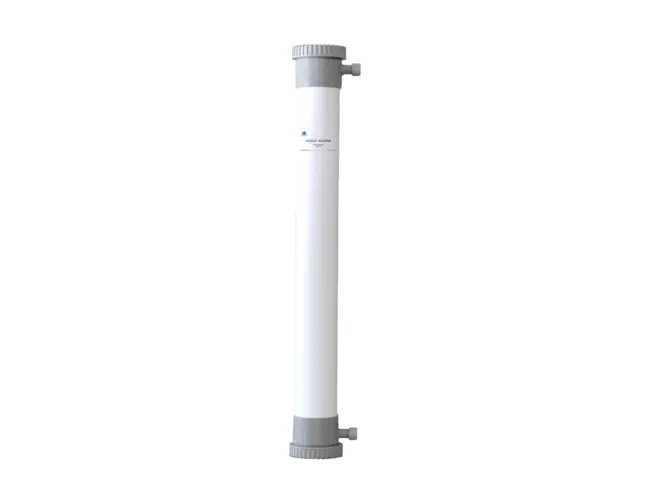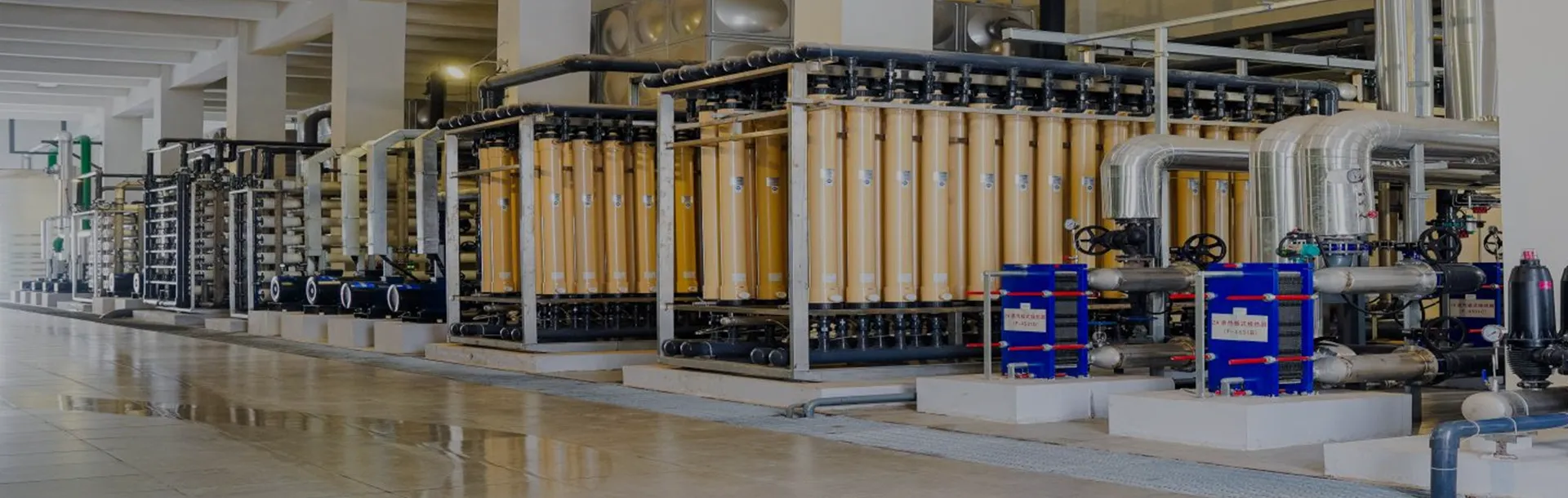
Ultrafiltration (UF) is a membrane separation technology with a porous asymmetric membrane structure. The ultrafiltration process is a solution separation process driven by the pressure difference across the membrane and based on the principle of mechanical sieving. The operating pressure typically ranges from 0.01 to 0.3MPa, the sieve pore size is 0.002 to 0.1μm, and the molecular weight cut-off (MWCO) is approximately 1,000 to 100,000 Daltons.
Ultrafiltration (UF) is a membrane separation technology with a porous asymmetric membrane structure. The ultrafiltration process is a solution separation process driven by the pressure difference across the membrane and based on the principle of mechanical sieving. The operating pressure typically ranges from 0.01 to 0.3MPa, the sieve pore size is 0.002 to 0.1μm, and the molecular weight cut-off (MWCO) is approximately 1,000 to 100,000Daltons.
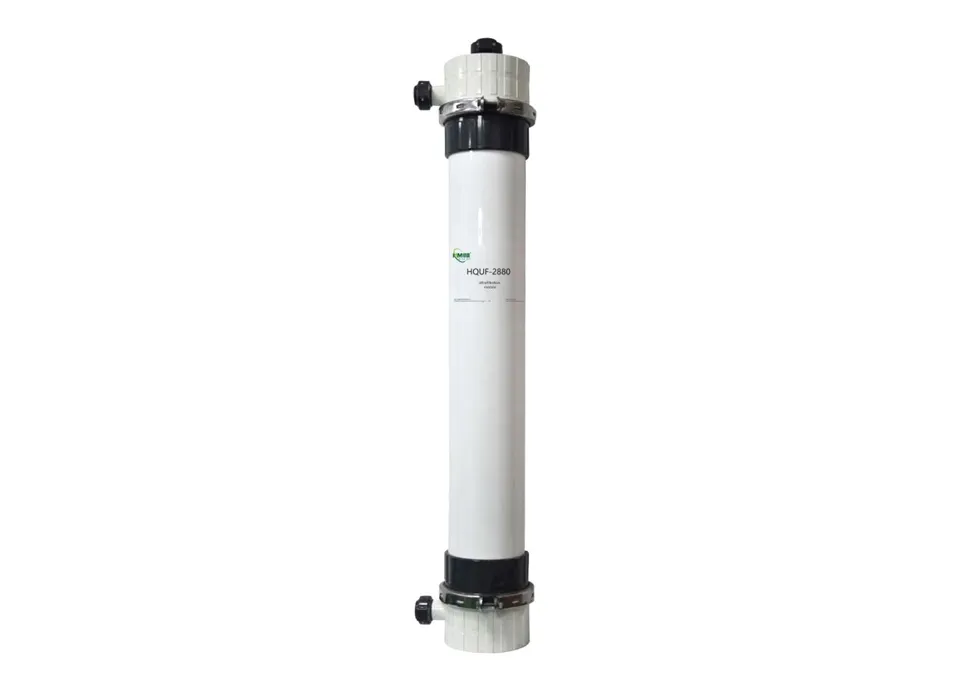


No phase change occurs during the separation process, resulting in low energy consumption.
The separation process can be carried out at room temperature, suitable for concentration or purification of thermosensitive substances such as fruit juices, biological agents, and certain pharmaceuticals.
The separation process only uses low pressure as the driving force, with simple equipment and process flow, easy to operate, manage, and maintain.
Wide application range: UF separation technology can be used for solutes with molecular weights of 1,000 to 500,000 Daltons or solute sizes of approximately 0.005 to 0.1 μm. In addition, using a series of membranes with different molecular weight cut-offs can achieve molecular weight classification of particles in mixed solutions of solutes with different molecular weights.
Ultrafiltration can be operated in either full-flow or dead-end filtration (Dead-end), or cross-flow filtration (Cross-flow).
The cleaning processes of UF include physical cleaning (air scrubbing, water backwashing, and forward washing) and chemical cleaning (Chemical Enhanced Backwash and Cleaning In Place). Among them, air scrubbing uses compressed air to form strong turbulence in water to loosen particulate pollutants intercepted on the membrane surface; water backwashing is carried out in a way that the direction of the water flow is opposite to that of the produced water, and the water flowing through the membrane pores can remove the pollutants deep inside the membrane pores and on the membrane surface; forward washing removes residual pollutants after backwashing and discharges gas in the membrane module.
Chemical-enhanced backwashing and chemical cleaning use chemical agents to remove colloids, organics, inorganic salts, and other pollutants formed on the surface and inside of UF membranes. Increasing the cleaning frequency and intensity is beneficial to more thoroughly removing various pollutants.
There are many materials that can be used to manufacture UF membranes, including polyvinylidene fluoride (PVDF), polyethersulfone (PES), polypropylene (PP), polyethylene (PE), polysulfone (PS), polyacrylonitrile (PAN), polyvinyl chloride (PVC), etc. In the early 1990s, polyethersulfone materials were commercially applied; in the late 1990s, polyvinylidene fluoride UF membranes with better performance began to be widely used in the water treatment industry. Currently, polyvinylidene fluoride and polyethersulfone have become the most widely used UF membrane materials.
When UF is used for water treatment, the chemical stability and hydrophilicity of its material are the two most important properties. Chemical stability determines the service life of the membrane material under the action of acids, alkalis, oxidants, microorganisms, etc., and is also directly related to the selection of cleaning processes; hydrophilicity determines the anti-pollution ability of the membrane material to pollutants in water and affects the membrane flux.
Pressure gauges: Calibrate regularly and adjust in time if necessary.
Centrifugal pumps: Regularly check the temperature of the pump, and also check the pump gaskets and other structures that prevent pump leakage.
Flow meters: Calibrate once every three months.
Automatic switching valves (optional): Check once a month, and also check whether the valve body has leakage.
UF devices: Check the inlet water quality according to conventional requirements (the specific details of inlet water quality requirements and inspection); at the same time, detect the produced water flow and operating pressure of the UF system; check the UF system according to conventional requirements, especially the leakage situation of its components. Once any leakage is found, conduct maintenance immediately.
Warning: Electrical operations must be performed by trained and qualified personnel.
Contact Huaqiang for Wholesale Water Treatment Equipment
 +86-05722755556
  Huaqiangenv@163.com
 English