The colorful fabrics we love create a dark problem. Textile dyeing wastewater pollutes rivers and drains profits. We see this challenge daily in our work with mills across Asia.
Textile dyeing wastewater can be effectively treated and reused, significantly reducing environmental impact and operational costs. Modern membrane technologies reliably remove dyes, chemicals, and salts, transforming wastewater into a valuable resource. This approach cuts water procurement expenses and minimizes discharge fees.
Many plant managers believe treating dye wastewater requires expensive, complex systems. The reality has changed dramatically. I want to show you how straightforward solutions can turn your wastewater stream from a liability into an asset, saving money while protecting the environment.
Your wastewater contains a complex chemical cocktail. Dyes, salts, and additives create a treatment nightmare that conventional methods struggle to handle. We've analyzed hundreds of textile effluent samples.
Textile wastewater primarily contains difficult-to-remove color bodies from dyes, high salt concentrations, toxic heavy metals, and persistent organic chemicals. These contaminants require specialized treatment sequences for complete removal. Membrane filtration effectively targets these specific pollutants.
The composition varies significantly depending on your specific dyeing processes and fabric types. Reactive dyeing produces high salinity, while pigment dyeing creates suspended solids. Understanding this breakdown is crucial for designing effective treatment.
We typically find four main contaminant categories in textile wastewater. First, color from residual dyes represents the most visible pollutant. These complex organic molecules resist biological degradation. Second, salt concentrations can reach astonishing levels, especially from reactive dyeing processes. Third, heavy metals like chromium and copper often come from certain dye types and mordants. Fourth, organic additives, including surfactants, solvents, and finishing agents, create chemical oxygen demand.
The interaction between these components complicates treatment. For instance, high salt content can affect dye precipitation. Temperature variations from hot dye baths influence treatment efficiency. Our approach involves characterizing all these elements before designing a system. We've successfully implemented treatment trains that address each contaminant category sequentially. The key is selecting the right membrane type for each separation task, ensuring comprehensive purification.
Membranes act as molecular filters for your wastewater. They separate contaminants based on size and charge, providing precise removal that traditional methods cannot match. I recall a project where conventional treatment failed until we introduced nanofiltration.
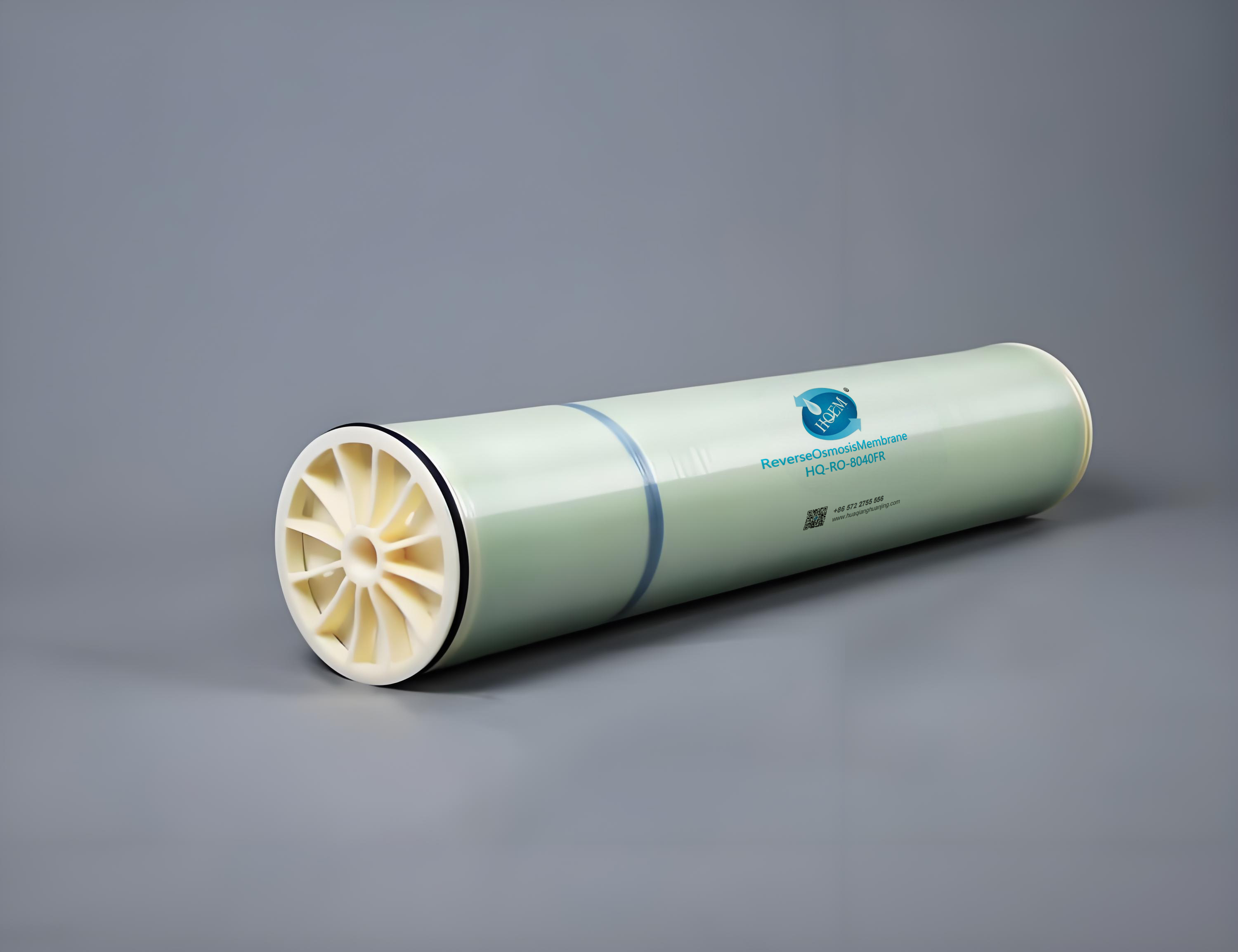
The nanofiltration membrane excels at dye removal due to its specific pore size and surface charge. It rejects dye molecules while allowing some salts to pass, preventing excessive salinity buildup. This selective separation maintains treatment efficiency without creating over-concentrated waste streams.
The magic lies in membrane customization. Unlike standard filters, we can tailor membranes to target your specific dye chemistry. This precision prevents the membrane fouling that plagues many treatment systems.
Membrane selection depends entirely on your dye types and wastewater characteristics. For reactive dyes with low molecular weights, we typically recommend tight nanofiltration membranes. These have pore sizes around 1 nanometer, small enough to block dye molecules but permeable to water and monovalent salts. For larger dispersed dyes or vat dyes, looser nanofiltration or tight ultrafiltration membranes may suffice.
The membrane surface charge plays a crucial role, too. Most synthetic dyes carry ionic charges, allowing us to use charged membranes for enhanced rejection through electrostatic repulsion. We've developed anti-fouling membrane surfaces that resist the adhesion of organic dye molecules, significantly extending cleaning intervals. The operating parameters, including pressure, cross-flow velocity, and recovery rate, must be optimized for each application. Through proper system design, we achieve dye removal rates exceeding 99% while maintaining stable flux rates, making the process both effective and economically viable for continuous operation.
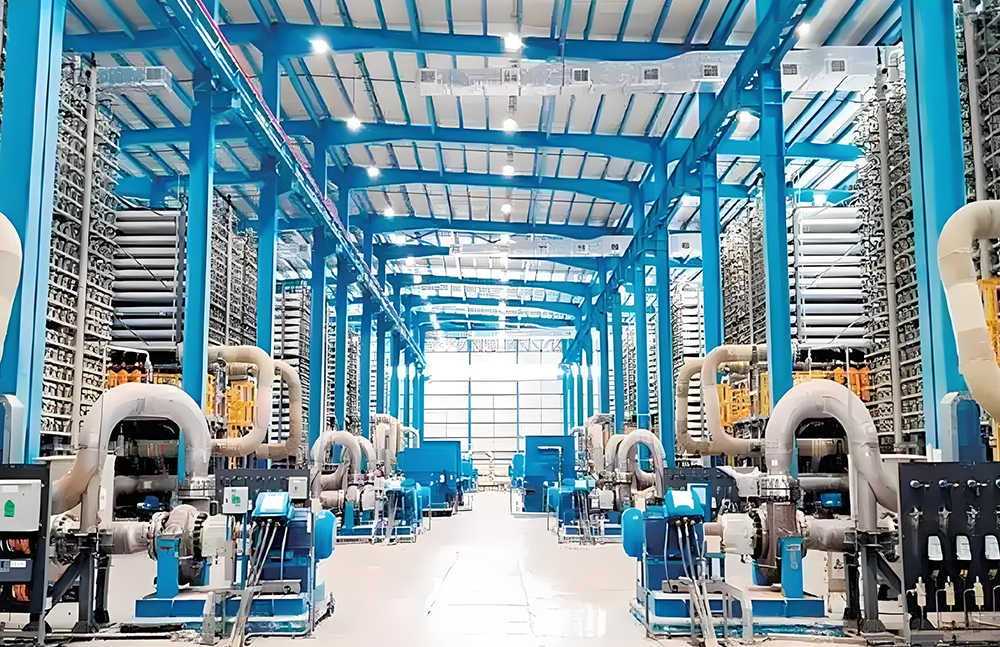
A successful reuse system integrates multiple technologies in a logical sequence. We design systems that progress from pre-treatment to final polishing, each stage serving a specific purpose. Our Hengli PTA project demonstrated how sophisticated reuse can become a routine operation.
A practical textile wastewater reuse system typically includes screening, biological treatment, membrane filtration, and reverse osmosis. This combination produces water quality suitable for most dyeing processes. The system design prioritizes reliability and operational simplicity to ensure consistent performance in industrial environments.
The best systems balance performance with practicality. We've seen over-engineered solutions fail because they demanded too much operator attention. The goal is water so clean it matches municipal quality, produced reliably day after day.
The transformation begins with robust pre-treatment. We install automatic screening systems to remove lint and fibers that could damage downstream equipment. Then, equalization tanks homogenize the highly variable wastewater flow, crucial for maintaining stable biological treatment. The biological stage, often using Membrane Bioreactor technology, degrades organic pollutants and removes biodegradable components.
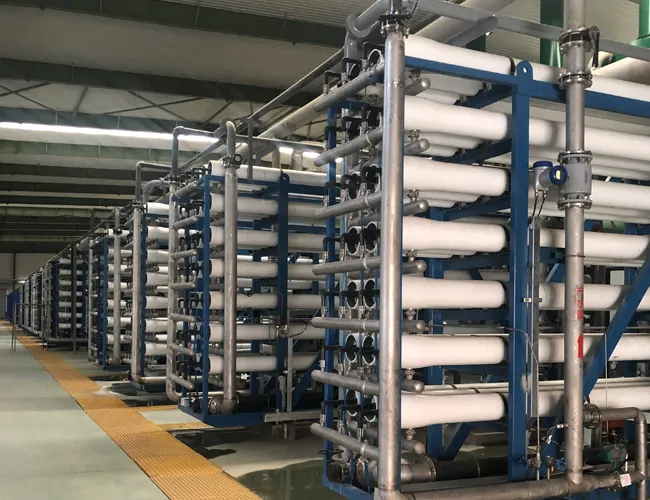
Following biological treatment, the water enters our membrane cascade. Ultrafiltration membranes provide final polishing before the critical reverse osmosis stage. The RO units remove dissolved salts and any remaining trace contaminants, producing water suitable for the most demanding dyeing processes. We integrate energy recovery devices to minimize operating costs. The concentrated waste stream undergoes further volume reduction, often through additional membrane concentration steps. The final concentrate represents only 5-10% of the original wastewater volume, dramatically reducing disposal costs. Throughout the system, we include comprehensive monitoring and automated controls to ensure consistent output quality with minimal operator intervention.
The financial case for wastewater reuse has strengthened dramatically. Beyond environmental compliance, reuse delivers tangible returns that impact your bottom line. One of our clients recovered their investment in under eighteen months through reduced water procurement and discharge fees.
Water reuse systems typically pay for themselves within 1-3 years through reduced freshwater purchases, lower wastewater discharge fees, and decreased chemical consumption. The exact payback period depends on local water costs, discharge tariffs, and production volume. Modern systems have significantly lower operating costs than earlier generations.
Many mills focus only on capital cost without considering lifetime expenses. When you account for rising water prices and tightening discharge regulations, reuse becomes not just environmentally responsible but financially smart.
The economic analysis must consider both avoided costs and operational expenses. Freshwater savings include reduced purchases from municipal supplies or groundwater extraction, plus lower raw water pretreatment costs. Discharge cost avoidance encompasses sewerage fees, environmental compliance costs, and potential penalty avoidance. Additionally, heat recovery from treated wastewater can reduce energy needs for water heating in dyeing processes.
The operational costs include membrane replacement, energy consumption, cleaning chemicals, and labor. Modern low-energy membranes and efficient pump designs have dramatically reduced power requirements. We've optimized chemical cleaning protocols to extend membrane life while minimizing consumption. The concentration of waste streams reduces disposal volumes, cutting transportation and treatment expenses. For a medium-sized textile mill processing 1,000 cubic meters daily, the annual savings often exceed $200,000, creating a compelling financial case. With proper maintenance, these systems operate reliably for decades, delivering long-term economic benefits alongside environmental improvements.
Textile wastewater treatment and reuse are achievable and economically beneficial. Modern membrane technology transforms environmental challenges into operational advantage, securing both compliance and cost savings.

 +86-05722755556
  Huaqiangenv@163.com
 English