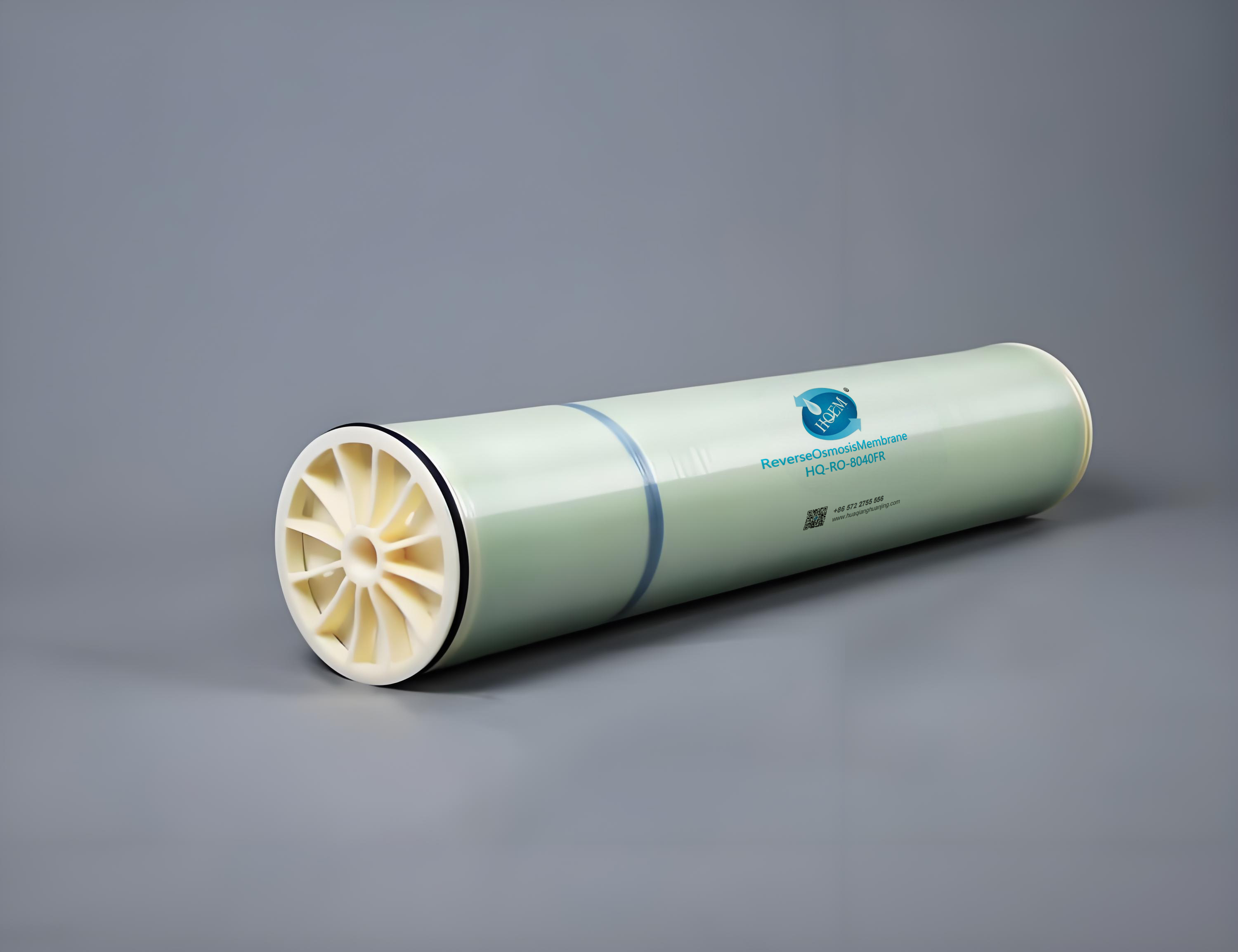
In the high-stakes environment of chemical manufacturing, achieving both regulatory compliance and cost-efficient water reuse is paramount.
Success doesn't just rely on complex engineering—it starts with the foundational technology of Industrial Ultrafiltration Membranes. These porous, asymmetric barriers are crucial instruments in process wastewater treatment, driving efficient pollutant removal to enable safe discharge and profitable water recycling.
The ultrafiltration process operates on the principle of mechanical sieving, driven by low pressure (typically 0.01 to 0.3 MPa). With pore sizes ranging from 0.002 to 0.1μm and a Molecular Weight Cut-Off (MWCO) between 1,000 to 100,000 Daltons, UF membranes effectively filter out suspended solids, colloids, large molecules, and microorganisms without the need for a phase change, resulting in inherently low energy consumption. For factories and their trusted dealers, understanding the specific technical advantages of advanced membranes is key to unlocking next-level performance in wastewater treatment and reuse applications.
The performance of an Ultrafiltration system is fundamentally determined by the membrane material and structure. Huaqiang's HQUF membranes embody critical technical innovations designed specifically for the chemical industry's demanding environment:
Antioxidant and Anti-Pollution PVDF Material - Longer Service Life: The choice of material is crucial. Polyvinylidene Fluoride (PVDF) is the gold standard due to its exceptional chemical stability.
Its strong resistance to acids, alkalis, and oxidants directly determines the membrane's service life, especially when dealing with the variable and aggressive chemistry of industrial process wastewater. This durability is also critical for selecting aggressive chemical cleaning agents, allowing operators to fully restore the membrane's flux when necessary.
Highly Hydrophilic Membrane Material - Advanced Anti-Fouling: UF performance and maintenance are heavily influenced by hydrophilicity, which determines the membrane's resistance to fouling and directly impacts its stable flux.
Huaqiang employs patented hydrophilic modification technology on its UF filaments. This advanced treatment significantly improves hydrophilicity, making the membrane surface less prone to adhesion by organic and colloidal pollutants found in chemical wastewater, thus ensuring higher sustained production flow.
PVDF UF Membrane with High Filtration Precision - Optimal Downstream Protection: With a nominal pore size of 0.03μm, the HQUF UF membrane provides high filtration precision. This level of fine filtration is indispensable for protecting downstream processes, such as Reverse Osmosis (RO) systems, from particulate and colloidal fouling. In the context of wastewater reuse, this superior pretreatment ensures the feed water for membrane systems is consistently clean, maximizing the efficiency and lifespan of the entire treatment train.
These features enable the UF process to be carried out at room temperature, making it ideal for the concentration or purification of thermosensitive substances—a significant advantage in certain pharmaceutical or chemical intermediate production lines.
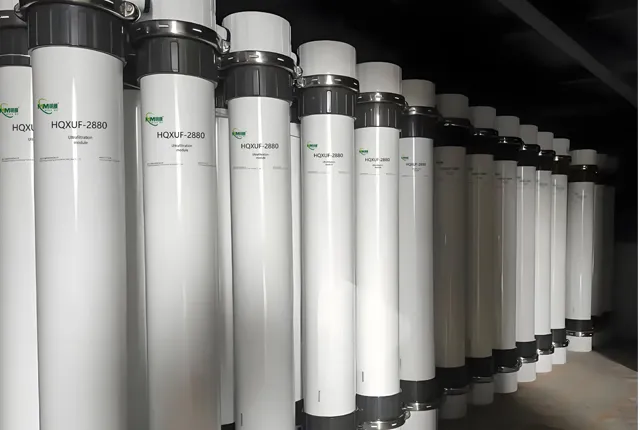
Beyond the material, the structure and operational mode of the membrane module dictate its resilience and ease of maintenance, especially in applications with solid content, such as chemical wastewater :
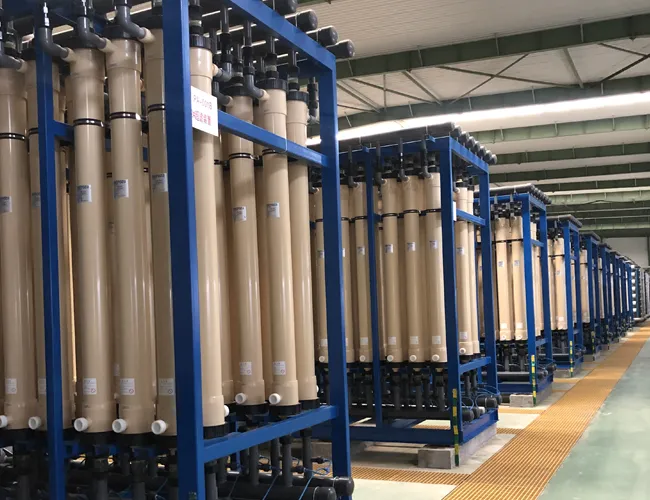
External Pressure Structure - Wider Application Range and Easy Cleaning: Huaqiang's ultrafiltration membranes utilize an external pressure structure. This design is superior because it places looser restrictions on inlet water quality compared to internal pressure designs. It features a larger dirt-holding capacity and is easier to clean, allowing it to adapt to a wider variety of feed waters.
Optimal Operating Modes: UF systems offer operational flexibility, capable of running in dead-end filtration (for lower-solids applications) or cross-flow filtration (preferred for high-solids wastewater to minimize fouling), depending on the specific process requirements.
Effective maintenance is key to exploiting the long service life of PVDF membranes. The cleaning regimen incorporates both physical cleaning (air scrubbing, water backwashing, and forward washing) and intensive chemical cleaning (Chemical Enhanced Backwash and Cleaning In Place). This comprehensive approach thoroughly removes colloids, organics, and scaling, ensuring the membrane's performance is fully restored. For factory operators, following these clear maintenance protocols is critical to avoiding pressure build-up and maintaining high-quality produced water quality.
The application scenario for Huaqiang's membranes is focused directly on process wastewater treatment and reuse in the Chemical Industry. Our role is to provide both the essential supporting materials—the membranes—and the complete treatment projects required for efficient pollutant removal. By integrating our durable, anti-fouling Industrial Ultrafiltration Membranes into treatment projects, we offer factories and their distributors a reliable path to:
Achieve Up-to-Standard Discharge: Guaranteeing that discharged effluent meets increasingly tight environmental regulations.
Facilitate Recycling: Producing a high-quality filtrate that can be reliably and cost-effectively reused within the plant, minimizing water consumption and operational expenditure.
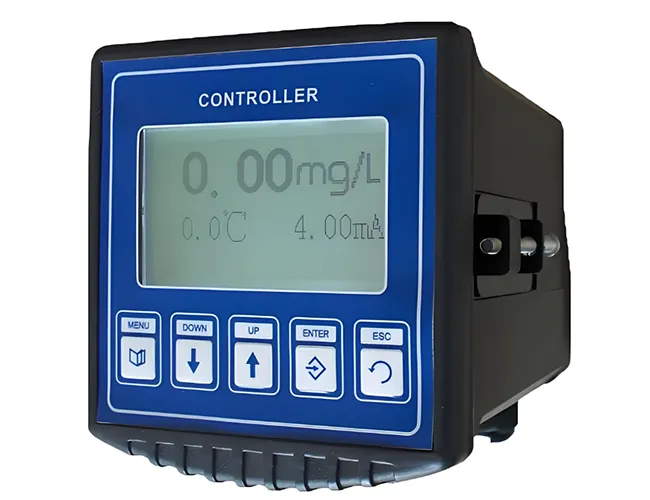
Our commitment to full-chain service, from scheme design to EPC contracting and integrating advanced DCS control systems for unmanned operation, ensures that the complexity of membrane technology translates into simplified, reliable results for the end-user. As the industry moves toward zero-discharge goals, the continuous innovation and proven durability of Huaqiang's UF membrane technology provide the stable, high-efficiency core required for sustainable chemical production worldwide.
 +86-05722755556
  Huaqiangenv@163.com
 English