Industrial reverse osmosis systems are widely used to produce high-purity water for manufacturing, boiler feed, food and beverage, electronics, pharmaceuticals, and desalination projects. Understanding how an RO system works is the first step toward selecting the right membrane, pretreatment process, and system design for stable, long-term operation.
A reverse osmosis system is a pressure-driven water treatment process that removes dissolved salts, small organic molecules, and other impurities by forcing feed water through a semi-permeable membrane. In industrial use, it is often the core of a complete water treatment line because it can deliver consistent water quality with relatively low operating cost.
Unlike simple filtration, RO separates water at the molecular level. That is why it is commonly used in industrial reverse osmosis systems for process water, purified water, and desalination applications. When paired with proper pretreatment and monitoring, it can support reliable production and reduce downstream equipment scaling and corrosion.
RO works by applying pressure greater than the natural osmotic pressure of the feed water. This pressure forces clean water molecules to pass through the membrane while rejecting most dissolved salts and contaminants.
The process produces two streams: permeate, which is the purified water, and concentrate, which carries away rejected impurities. In practice, performance depends on feed water quality, temperature, pressure, recovery rate, and membrane condition. This is why how reverse osmosis works is not only a membrane question, but also a full system design question.
An industrial RO plant typically includes pretreatment, high-pressure pump, RO membrane housing, control instruments, piping, and post-treatment if required. Each part affects recovery, membrane life, and final water quality.
Key components include:
Raw water tank and feed pump.
Industrial water filter or multimedia filter for suspended solids removal.
Activated carbon or antiscalant dosing section when needed.
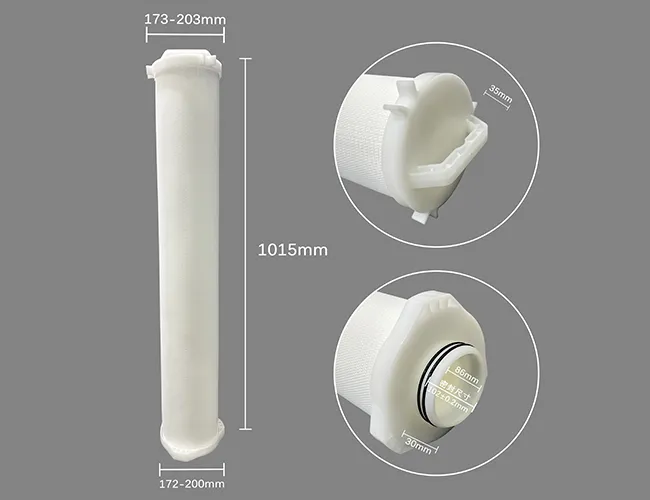
Cartridge filters as the final pretreatment barrier.
High-pressure pump to supply the required operating pressure.
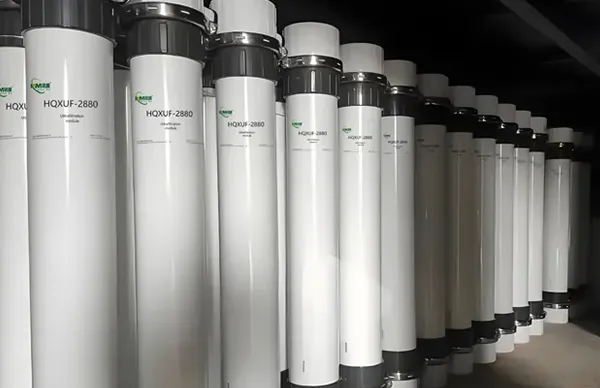
Industrial reverse osmosis membranes for salt rejection.
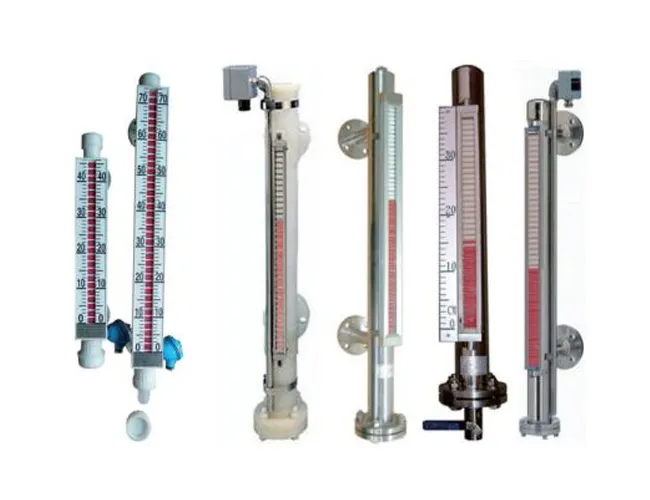
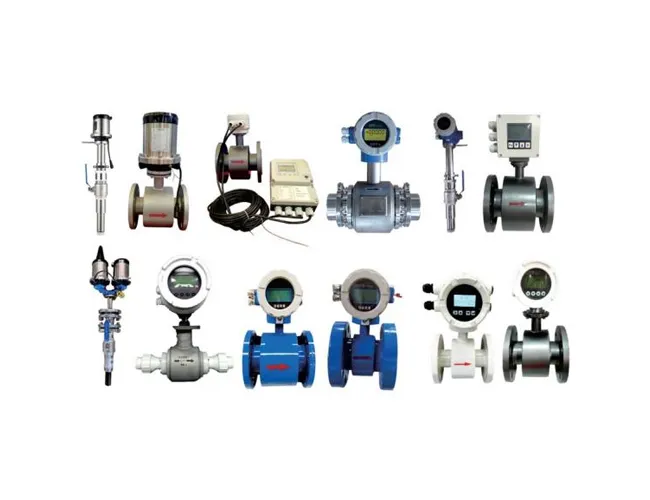
Pressure gauges, conductivity meters, flow meters, and automatic valves.
CIP cleaning system for membrane maintenance.
For projects requiring a complete package, many buyers evaluate a RO-NF water treatment set rather than purchasing membrane modules separately, because integrated design reduces commissioning risk and improves compatibility.
Pretreatment is the foundation of stable RO operation. If raw water contains too much turbidity, hardness, iron, chlorine, oil, or organics, the membrane will foul faster and the system will consume more energy.
A good pretreatment train protects the membrane from plugging, scaling, and chemical attack. In many industrial projects, this means selecting the right industrial water filter, carbon filtration, and cartridge filtration before water enters the RO stage. For difficult feed water, a custom pretreatment and process layout is often more cost-effective than oversizing the membrane system later.
Industrial RO design is usually based on four core parameters. Recovery rate is the percentage of feed water converted into permeate. Pressure is the force driving separation. Flux is the permeate flow per membrane area, and salt rejection measures how effectively the membrane removes dissolved salts.
These variables must be balanced carefully. Higher recovery improves water utilization, but too much recovery can increase scaling risk. Higher pressure can raise output, but it also increases energy use and membrane stress. For this reason, membrane selection and system sizing should always be matched to actual feed water analysis, not only target capacity.
The most common RO problems include scaling, fouling, chlorine damage, low permeate flow, high conductivity, and unstable pressure. Most of these issues come from weak pretreatment, poor chemical control, or wrong operating settings.
Good design decisions include choosing the right membrane type, leaving enough margin for seasonal feed-water changes, adding conductivity monitoring, and planning CIP access from the beginning. If your project involves brackish water, seawater, or special process water, a customized solution is often the safest choice. For that reason, buyers looking for custom water treatment solutions should work with a supplier that can design the system around water quality, recovery target, and local operating conditions.
If you are evaluating an RO project, Huaqiang Env can help you match pretreatment, membranes, and system configuration to your application. Explore our RO-NF water treatment set, industrial reverse osmosis membranes, industrial water filter, or request custom water treatment solutions for your next project.

 +86-05722755556
  Huaqiangenv@163.com
 English